Experienced Georgia Estate Planning Lawyer Creating Customized Estate Plans
Thorough Estate Planning Attorney Services for Peace of Mind
A meticulous estate planning attorney supplies essential services in fortifying one's future. These practitioners help express objectives through legally sound documents, such as wills and trusts. They also address advance healthcare directives, verifying that personal values are recognized. Still, many miss the priority of consistent reviews and adjustments. What happens when personal circumstances shift or statutory tax law shift? Perceiving these nuances is vital for effective planning. The implications can be momentous and sweeping.
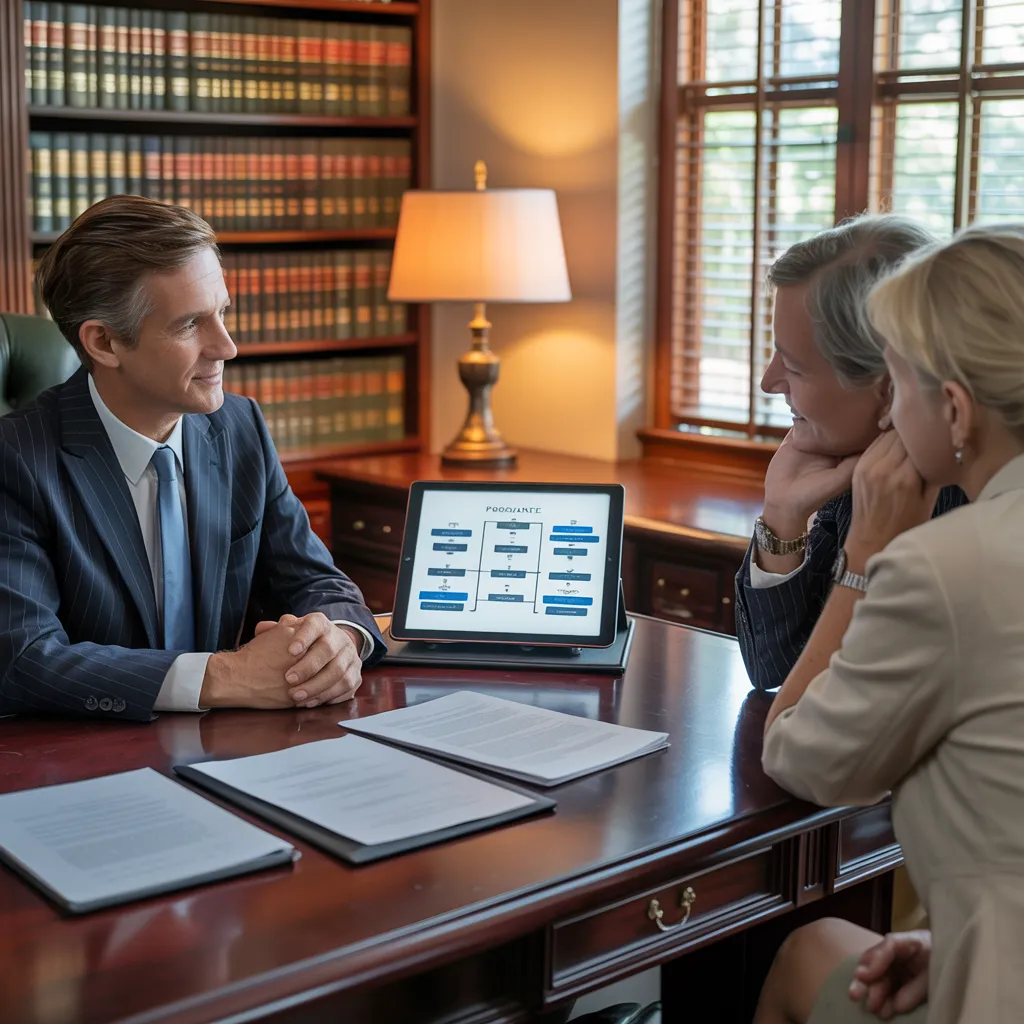
Why Legacy Planning Critical Now
While many individuals may delay estate planning, the fact is that unforeseen occurrences can occur at any time, making it vital to have a plan in place. Estate planning is not simply for the wealthy; it is a required process for anyone who wants to ensure their wishes are upheld. By setting up a thorough estate plan, people can determine how their assets will be administered and distributed, thereby minimizing potential conflicts among heirs.
Additionally, a robust plan can manage healthcare preferences, select guardians for minor children, and provide clear instructions for final medical directions. Without these elements, families may face legal challenges and emotional turmoil during difficult times. Moreover, timely estate planning can lead to tax advantages, preserving wealth for future generations. Fundamentally, proactive estate planning offers peace of mind, defending both personal and financial legacies against unforeseen circumstances.
Typical Misbeliefs Concerning Estate Arrangements
What misconceptions affect estate planning that encourage many to postpone or disregard its importance? One widespread belief is that estate planning is only for the affluent, which fails to recognize its relevance for individuals of all financial backgrounds. Another typical misunderstanding is that estate planning is a single task; in reality, it demands regular updates to reflect life changes. Many people also believe that a will is adequate, overlooking the benefits of trusts and other planning tools. Additionally, some think that estate planning is purely about distributing assets, ignoring its role in health care decisions and guardianship for dependents. Finally, the belief that estate planning is overly complex can discourage individuals from seeking assistance. These misconceptions lead to procrastination, ultimately undermining the peace of mind that effective estate planning can offer. Tackling these beliefs is essential for promoting proactive engagement in the estate planning process.
Key Services From Estate Planning Attorneys
Estate planning attorneys present a range of important supports intended to help individuals handle the difficulties of preparing for the times ahead. These specialists assist in composing wills, which present the division of assets, and establish trusts to manage wealth during and after a client's lifetime. They also provide guidance on healthcare directives and powers of attorney, guaranteeing that personal and medical decisions are made according to the individual's wishes in case of incapacity.
Furthermore, family succession counselors undertake meticulous inspections of standing blueprints, uncovering likely holes or outdated provisions. They offer personalized strategies to address specific family relationships and singular pecuniary conditions. Likewise, these counselors support customers understand the implications of estate settlement and the vitality of due holding titling. By imparting tailored legal advice and documentation, estate planning attorneys pledge that their clients' intentions are clearly articulated and statutorily enforceable, ultimately providing peace of mind.
Tax Plans For Estate Planning Success
Effective taxation strategies are a key role in sound estate planning, ensuring that individuals are able to maximize their wealth while lowering their tax burdens. Techniques like gifting assets during one’s lifetime, rather than leaving behind them after death, may successfully reduce estate taxes. In addition, using tax-deferred accounts allows to preserve wealth, enabling investments to grow without immediate tax impact.
Establishing legal arrangements is another key approach, as they can provide considerable tax benefits and management of asset allocation. Charitable giving, through donor-managed funds or charitable remainder trusts, can also decrease taxable income while supporting charitable initiatives.
Furthermore, comprehending the consequences of federal and state estate tax laws is crucial. Consistently examining and adjusting estate plans guarantees compliance with changing tax regulations and personal circumstances. By actively tackling these strategies, individuals can establish a more advantageous financial future for their heirs, ultimately achieving their estate planning goals.
Learning About Medical Directives
While numerous individuals stress financial aspects of estate planning, comprehending healthcare directives is equally important. These legal documents enable individuals to voice their medical treatment preferences in case they become incapacitated. A healthcare directive typically includes a living will and a durable power of attorney for healthcare, empowering designated agents to make medical decisions on behalf of the individual.
Risks Associated With Not Creating An Estate Planning Strategy?
What occurs when someone fails to create an estate plan? The lack of details an estate plan can lead to a series of unintended consequences. Without specific directions, state laws control the distribution of assets, which may not align with the individual's wishes. This can result in family disagreements, lengthening the probate process and boosting legal fees. Additionally, without designated guardianship for minor children, the court establishes their future, potentially placing them with unfamiliar caretakers.
In addition, the absence of a healthcare directive can leave family members in challenging situations during medical emergencies, as they may be uncertain of the individual's wishes regarding life-sustaining treatments. Ultimately, failing to plan ahead can create confusion, financial hardship, and emotional distress for family members, compromising the very peace of mind that financial planning seeks to provide.
Frequently Requested Questions
How Much Does Estate Planning Typically Cost?
Estate preparation costs generally span from $500 to $5,000, contingent on complexity and attorney fees. Basic wills may be cheaper, while intricate trusts and estates require more time and legal expertise, elevating overall costs.
Can I Develop an Estate Planning Document Without an Lawyer?
Yes, individuals can formulate an estate plan without a legal professional, employing internet tools or sample documents. However, expert advice secures legal compliance and handles intricacies that may arise, ultimately offering more security and understanding for the individual's preferences.
Which Papers Are Encompassed in an Estate Plan?
An estate plan commonly includes a will, power of attorney, healthcare proxy, living trust, and beneficiary designations. These documents in combination communicate an person's desires about asset distribution, medical decisions, and legal authority after death or incapacitation.
What Occasions Per Year Should I Change My Estate Planning Documents?
An legacy plan should be evaluated and possibly modified every three to five years or following momentous life transitions, such as commitment, divorce, the nativity of a dependent, or marked changes in monetary position.
What happens when I relocate to another State?
In the event that a person moves to a different state, their estate plan may require modification to follow local laws. It's essential to review and adjust documents to make certain they remain legally binding and functional in the new jurisdiction.